
|
BPH 106H SM106 Restoration 2026C |

|
|
Occasions that will drag me from my lair in North Wales are rare, but the Golden Rover event in conjunction with the Epping Ongar Railway at North Weald proved irresistible, and an opportunity to deliver an order for door-nosing rubber which is simply too long and heavy for affordable carriage. Tuppy the Clio, my only viable set of wheels at the time, therefore set off for southern latitudes and earned her spurs in combat with the Mongol horde of South Mimms and the M25. First, a visit to another pair of classics for the first time: MB641 and MBA588 and a reunion with Keith from Hitchin, and then preparation for the Golden Rover classic bus event before an 'eve of battle' meal with a number of the team.
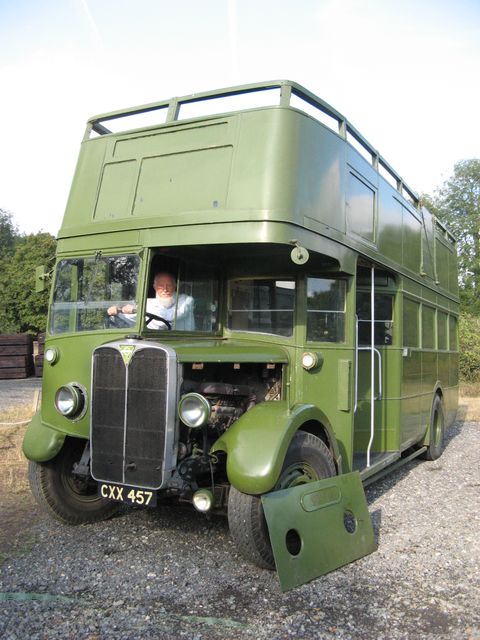
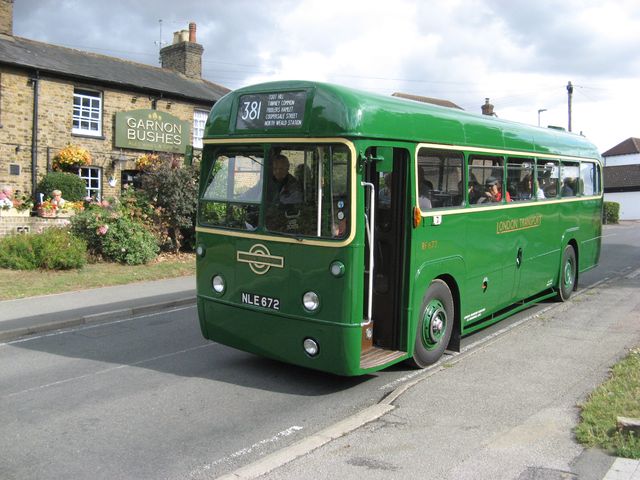
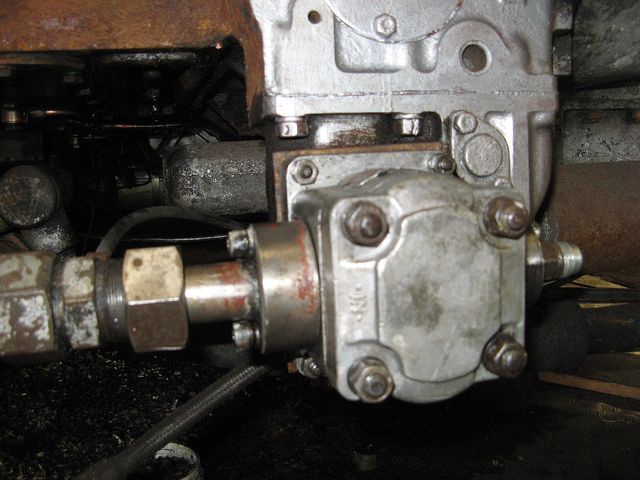
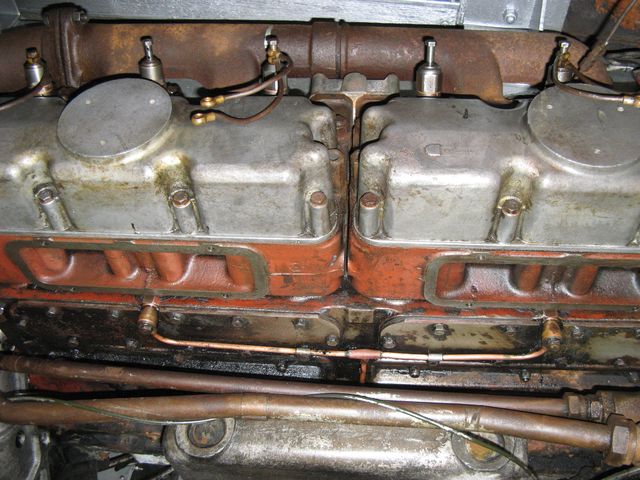
The first ride of the next day was on 971J, a bus that was twenty years old when I was born, and already converted to a service vehicle. I was persuaded to have a brief turn at the wheel on the strength of quite possibly never having another chance in my lifetime to drive an STL. The engine side-cover was removed because the only way of stopping the engine was to interrupt the fuel supply temporarily. What it proved was that any fool, even an old one, can make an even older bus move, so all credit to the designers! The rest of the day was spent in piloting any drivers unfamiliar with the 381 route around the bucolic Essex countryside aboard a splendidly turned-out RF, and even doing a spot of map-reading to pilot a trip on the 347A to Abbess Roding. In between trips it was simply wonderful to be surrounded by utterly gorgeous buses and coaches doing their thing, with examples of GS, STL, RF, RT, RMC, RML, RP, SM and SMA. After the close of service, representative vehicles of appropriate age went down to Epping and assembled in the car park of Tesco, which of course was where the running shed of the old EP garage was located. The modern store occupies the site of the Epping Service Station, a car showroom and workshop with a colonnaded petrol forecourt. Truly, a magnificent sight and a great credit to the store manager for allowing the use of the car park. I am pretty sure there were a large number of very bewildered Epping folk (and certainly some without any sense of humour), but as the shop was closed, there was no reason for anybody to contest legitimately the use of the space! Such brief encounters are a very valuable tonic to counteract the fatigue of working alone at SM106, and a fabulous opportunity to learn from those whose working lives may have been spent in the company of such vehicles, so I thank them for their patience. By the time I arrived home, I was very happy to climb out of Tuppy's cab and take a cup of tea before cold-turkey set in. A week passed after the Epping trip while the domestic service fleet was attended to. My beloved Espace was weighed in at our local scrapyard following her last haulage duty and a farewell picnic with our grandchildren, for whom a 'car picnic' has been considered a treat since they were tiny. The replacement vehicle is a Peugeot Rifter, ending a 100% Renault fleet tradition since 1986, but still a manual diesel (Euro 6). Eventually the cars and family calmed down to an extent that permitted a visit to SM106, but I was concerned that things might be spinning out of control with a duff starter motor etc. First game was to check the start solenoid because that's where the impulse begins, and clicking does not necessarily mean electrical contact. A bulb was wired in place of the starter and the black button was depressed, but from the cab I could not see well and it wasn't a powerful bulb. Oddly, I still think that it did not illuminate at first, but certainly did illuminate reliably after a few more presses. I think I observed the same behaviour when I first fitted the batteries for the current (excuse inadvertent pun here) campaign. Unfortunately my electrical supplier did not have a 24V solenoid, or I would have put it in straight away! Then the starter motor was opened and nothing awful could be detected, and my meter said the contacter coil was OK. So, I decided to bolt it back on, which wasn't too arduous apart from the sheer weight of the beast, and wire it up. I just leaned over the steering wheel and pressed the button briefly with little hope of success, but was shocked to hear the motor whirr into life and the engine started, without so much as a foot on the pedal and being a cold start after a week of standing! It was shut down pronto once I had checked for gross fuel leaks, but finding nothing major, just niggly dribbles. After a celebratory cup of coffee and a whip round with a spanner, I tried again and wound her up a bit; smokey but not horrendous, and generally much better than before the injector servicing. Then I saw the stream of oil spurting from the hydraulic pump where the clamp bolt was missing! It definitely should not do that, because that is exactly how I found SMS637's pump. I'd had enough by then, so had lunch and cut grass and pruned my apple trees instead. While working at that I pondered the findings of the day, because the whole episode of the hydraulic pump started with a tendency to leak oil when the engine was run. I have at least confirmed what I suspected, that it is SUMP oil that leaks, because no hydraulic pipes are connected, so is this a vertical vs. horizontal engine issue? Either way, you will read about it here....... It was also kind of my Hitchin benefactor to hand over at the Epping bash a spare hydraulic pump from a scrapped MB for examination and potential use. It turns out that the mounting of the pump on the bigger engine is quite different, but easier in certain respects as the pump body disengages from the driven pinion gear with a splined drive. That made it ideal to mount on SM106 without any further attention apart from cleaning, and only the integrity of the seals was important as the pump itself would not turn when the engine was running. Sadly, the leakage of sump oil continued, even though the register disc (now returned safely after being 'lost' with the driven gear by the contractors) was properly engaged with the mounting plate. This time I removed the gasket as well as the pump for investigation, and found that one of the mounting studs had a washer on it that would prevent the pump from sitting flat on the mounting plate! It was soon removed and the leakage of sump oil was stopped. Not the leakage of fuel oil, however, so I had a look at the spare engine from SMS637 which has plastic pipes on the leak-off gallery and shorter banjo bolts to clamp onto the injector body. While fiddling, I discovered that the banjo bolts could bottom in the injector body if copper washers of appropriate thickness were not applied correctly, and that would apply to 106's engine also. A trap for the ignorant and unwary....I confess to both, so it's time for a cup of coffee and pulling out all the manuals I can find. I also discovered that removing a fuel lift pump from the injection pump drive while installed on an in-situ engine is somewhere between difficult and impossible, so that is going to be another nightmare to face - tempered by the availability of a new, compatible pump to make it worth attempting. While I was locking-up, Mike the Mechanic drove in with SMS637's hydraulic pump, and tie-wrapped to it was the pinion that he had succeeded in pulling off its taper. That was a great moment, and I offered him a little something for his trouble. "No, thanks", he said, "it was only a 2 minute job". It just goes to show that amateur fiddling is no match for equipment and experience, so he was thanked effusively.
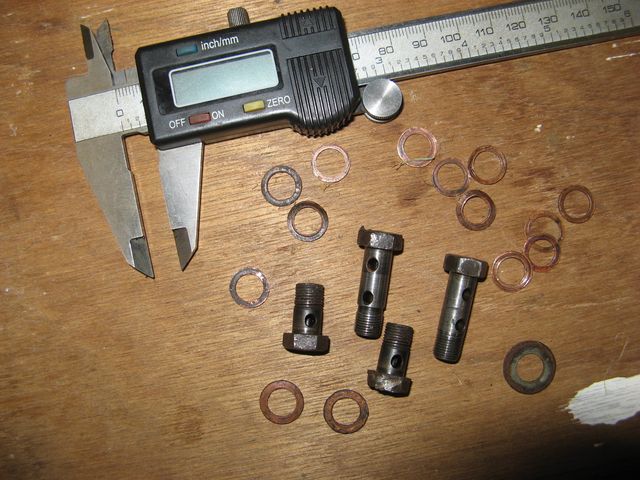
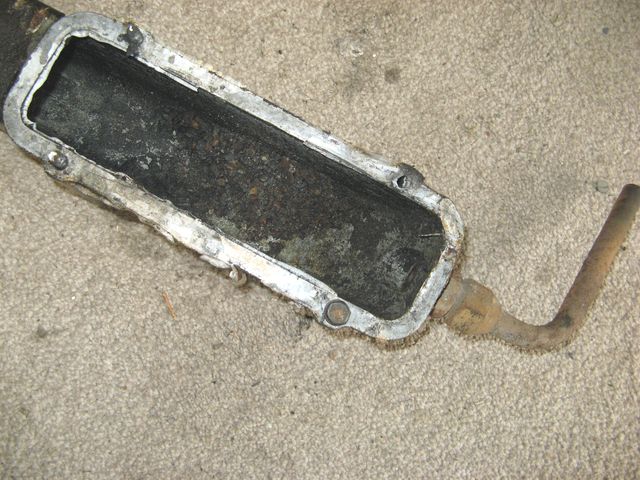
Back at the bus it took just moments as I unloaded my gear from the Peugeot to realise that I had left the hydraulic pump with its loose pinion in the back of my Clio, but concluded that there was plenty to be getting on with before re-fitting became a matter of urgency. First was to clear up some of the spilled oil, which has built up over time and mostly collected in tins and pots which were emptied quickly into my new waste oil repository, actually an empty 25 litre oil can, proudly emblazoned Rimula X30 which we used in our boat's Lister engine. The oil depot in Llandudno where we used to buy it is now the outstation for Arriva buses following the closure of Imperial Buildings at the Junction! Then it was dismantling the leak-off gallery of both engines, to recover and measure all the parts. It was soon apparent where the problematic leaks emerged. Original AEC copper washers were half-inch diameter and 40 thou thick, while replacement ones were thinner and smaller, critically also smaller in the bore which prevents them from seating properly, and worse in a couple of cases, had jammed on the threads of the banjo bolts, preventing proper tightening. I also fear for the threads on one of the banjo bolts. Where and whether a supply of appropriately sized washers can be sourced remains to be seen. During this exercise, I realised why the fuel lift-pump on SM106 is so awkward - it's because the compressor and the associated coupling are rotated relative to a horizontal engine, and thus lying in an orientation which makes it inaccessible. After lunch I kept up the impetus in the general area by removing the air-inlet manifold, which I had often observed to be exceedingly grubby and not good news for the longer term. Easily unbolted with its outlet to the compressor still connected (I didn't want to crack the casting attempting an unnecessary removal). The contents were an absolute horror-show. However, it provided an hour's entertainment emptying and cleaning so that we can be proud of it when it goes back on with a full set of bolts. I suppose there is no surprise that the pile of rubbish was at the back end, presumably because air-flow is slower there, but does that mean that similar junk was simply swallowed by the forward half of the engine? At home in the evening I found a promising and affordable source of appropriate copper washers, which were ordered.
The next session was all about progress, and first up was removing the temporary MB hydraulic pump. This time the gasket and seals had done their jobs, so a large mug-full of sump oil was dumped, mostly into the can for catching drips, but the contents of the back of the pump went on the lino installed to catch the stuff. Clearly, when a vertical engine is laid down, the pump gearing is at the bottom of the engine and not at the side and cannot drain as it should. The engine manual, which has pictures and plans of the horizontal version doesn't concern itself with trivia like a hydraulic pump! Anyway, there was no point crying over spilt oil, so the MB pump was re-integrated to go into storage, and attention paid to attaching the register-disc and drive pinion to SMS637's pump. Fitting it to the engine was a bit complicated because the gears would not mesh, and the engine had to be rotated by hand to find a sweet spot. It has been a real labour, but all the effort of pulling off the pinion was only ever about fitting the register-disc so that the pump was installed properly. Thereafter the session was spent cleaning up the engine beneath and behind the cylinder heads, because a) it was filthy and b) a new gasket will be needed, and silicone will do better where it can adhere. It looked quite pretty when I'd finishes, and the hydraulic pipes which run nearby were also cleaned of all their adherent, oily filth. Finally some magnolia paint was applied to some loose parts from the front destination blind header ready for installation. On the next visit, the first job was to attach those painted parts to the destination blind flap. The mirror bracket was easy, but the folding prop proved more complex. Somehow, I had rotated the foot which mounts to the side of the flap, which meant that wide open was the only setting. Fortunately, there is only one orientation for the prop itself, so it only took a minute to think through the problem and solve it! A recent delivery had brought the copper washers, so that was the next task. All the old washers were scrapped, and a painstaking process commenced of checking all the (double) banjo bolts for a good fit to the injector caps, proving the orientation of all the pipes and then fitting washers (known by various outlets as HCU35) and tightening everything steadily. I discovered that a standard 7/16" ring spanner fitted the bolts, having assumed so far that they were the usual, irritating BSP sizes which nothing fits; the bolts themselves are 5/16" diameter, so they have 'small' heads. That went nicely, so lunch was taken, and anyway with the lift pump disconnected there was not a lot more that I could achieve. I am not over-keen on wasting much diesel at present - a local Asda Express was charging 201.9p/litre the previous day, the first regular outlet I observed to break the £2 barrier. Motorway service areas have their own rules and don't count. After lunch and a sun-break the assault on the lift pump commenced with a familiarisation exercise on the spare engine to check the nut size and accessibility. No problem for a socket on an extension with a ratchet driver, only the orientation of the accessories drive on the vertical setup. Putting the access traps in place and lying face-down enabled a reach under the floor to the lift pump, and it proved not only possible but remarkably easy to reach and undo the securing nuts. The manual did not warn of a flood of filthy oil from the drive coupling as the lift pump was disengaged!
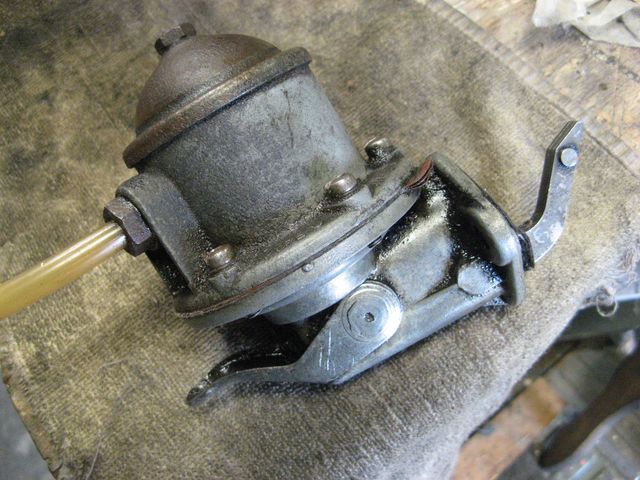
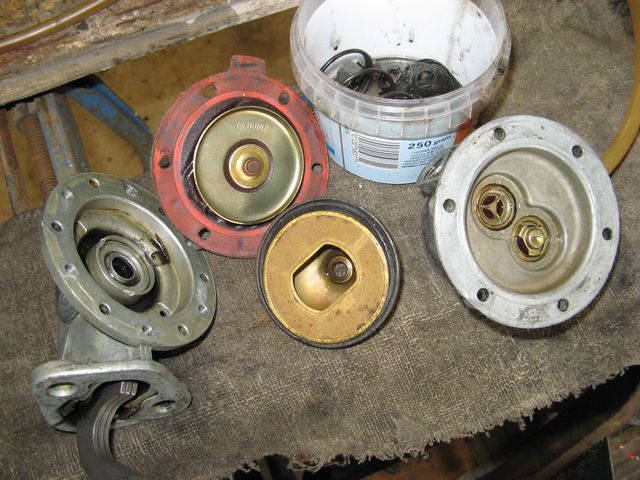
The filthy pump was first washed and brushed with degreaser to get the worst dirt off, then disassembled carefully. Over a cup of coffee I read the manual, marvelling at the element of time travel implied by reading a book printed about the time I was born and dealing with the parts it described. The amount of filth under the gauze filter was remarkable, and it was obviously effective! On the other hand, there seemed no obvious fault. Meticulous cleaning with paraffin commenced, but it was only when treating the diaphragm (my first suspect, of course) that anything untoward appeared. It appeared to be de-laminated, and bubbles appeared when I tried to dry-off the paraffin by squeezing with a folded rag. Clearly the diaphragm was porous, but still capable of delivering fuel under pressure. I was reminded of one of my first interventions on my first real car, a Fiat 126 which would take me and Kay and a neighbour from Hitchin to work in Letchworth via the Stotfold Road. The only way to drive it successfully was with the accelerator on the floor, gathering speed on the gentle downhill under the railway overbridge before the much steeper rise to Wilbury Hills. Day by day, the performance declined until one day there were obvious signs of fuel starvation. Helpful colleagues disassembled the fuel pump on the engine, discovering that the tensioning spring below the diaphragm had rusted into oblivion. The car was left at ICL No.3 Factory overnight and a new fuel pump was sourced and fitted the next day! It had never run as well as it did then......Let us now hope that a repair kit does the necessary for SM106.
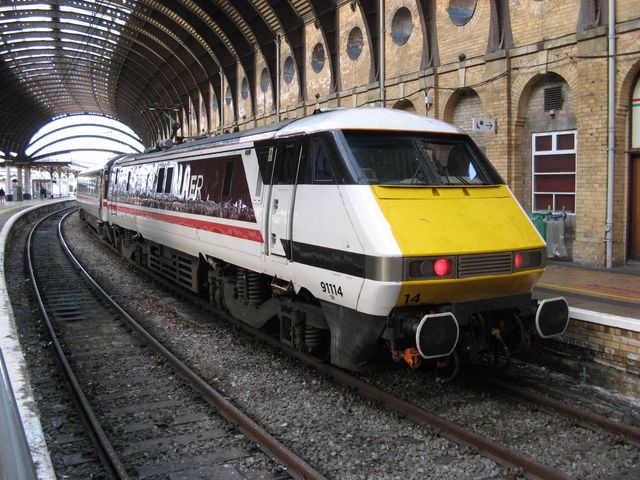
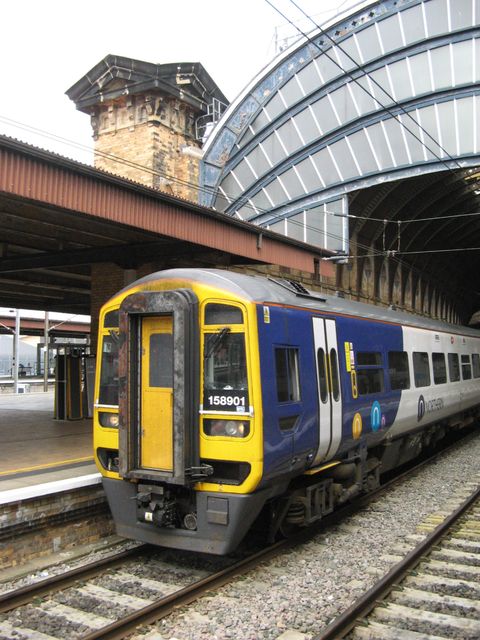
The annual conference of the Geologists' Association was held in York this year, and I managed to find affordable accommodation for three nights and remarkably cheap transport with my wrinkly railcard. Thus provided, I was treated to a ride on a Classes 197 of TfW, 195 of Northern and 185 of TPE, on a diversionary route through the Calder Valley instead of Standedge Tunnel due to reconstruction of the classic route near Huddersfield. A proper ride on a 185 was a first, and very enjoyable, with a genuine impression of solidity and comfort and a fabulous ride. Doing the ton along the Church Fenton stretch was a better experience than any Voyager, and that quality was maintained on the more unpredictable Calder Valley track. Yes, I know they are heavyweight muscle-trains but perhaps that is not so bad. The other impression was that the 195 ride was better than our 197s, with much less jitter and chuntering of suspension, and maybe the seats were more comfortable, too. It is all too subjective. Other delights were a visit to NRM and sitting trainspotting with a very tasty pint of beer on Platform 3. I shall pay for it when I am forced to get back under SM106! Fortunately, on my return, I was able to diagnose and effect running repairs on our vacuum-cleaner, earning valuable Brownie points. As usual in a dirty environment, brushes were worn and seized on the motor for the brush-roller, and just needed a tweak to regain electrical contact. I suspect we will see more of that! The lift-pump refurb kit is now in hand, along with assorted fasteners so I am well set up to put in some useful effort.
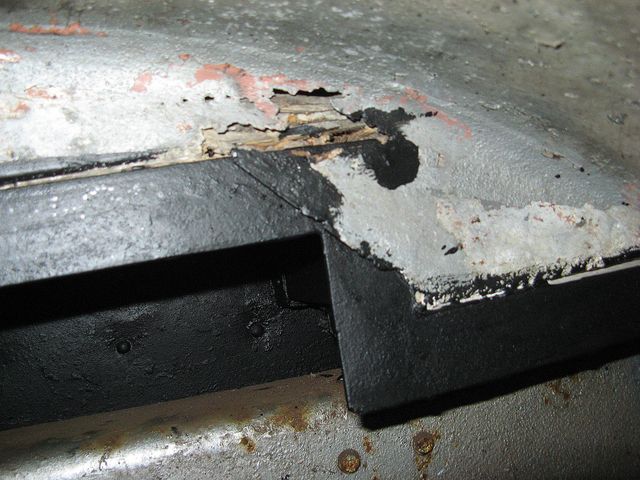
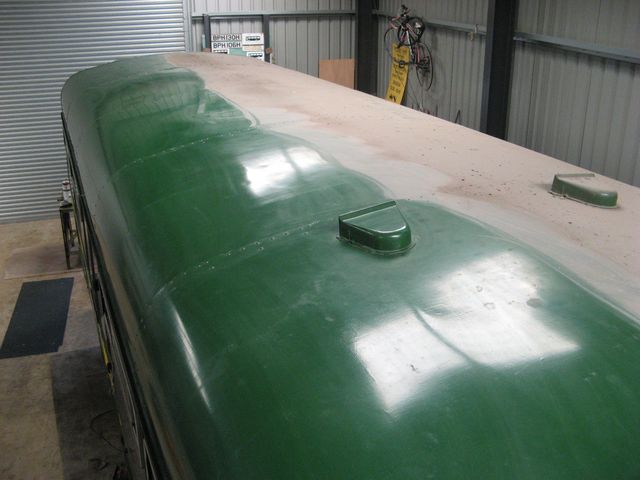
Recently, simple jobs have taken wrong turns, and the fuel lift-pump was a classic. The AC Delco Type U pump is about as ordinary as they come, and fitted to Land Rovers, Vauxhall Victor, Ferguson tractors and who knows what else. How did I end up with a refurb kit which included a diaphragm that seemed to have been made upside-down? No it was not the cheapest, but the only one I found on a well-known auction site that included the fibre washer for the bolt holding the dome. Needless to say, the vendor seemed surprised and tried to say that my application was incorrect for his kit. Sorry, the spring always goes on the side with the hook, and there is no variant of a Type U pump with a wide spring (correct me if I am wrong). It is now on its way back for a refund, crossing in the post with one illustrated with the cup which locates the spring on the 'hook' side. If this means nothing to you, then I celebrate your good fortune. With no progress in that direction, some had to be found elsewhere. To that end, I have cleaned and primed the hydraulic pipes that run behind the air-inlet manifold (inaccessible when in place), and wire brushed, treated and primed the rusty steelwork by the upper saloon step and the wheel-arch intrusion. Clearly an area which has attracted dirt and moisture through the history of the bus. Why would I suddenly do this? Because I was reminded that daylight was visible through the edge of the wheelarch when I was contemplating tasks preparatory to re-mounting the road wheels! The floor in that area is not brilliant, but it is not walked on because it is under the seats. After treating the rusty steelwork, a bit of fibreglass work will restore the waterproof performance, I am sure. As autumn approaches it will soon be time to bring in the boats which are SM106's companions in the cold, dark months, and when they are packed tightly in, it is not possible to put the scaffolding tower alongside. I therefore set about what would pass as an automotive bed-bath and swept and sponged-off the muck that had accumulated since it was first painted, many years ago. Some areas have been done again since, but otherwise the mess was appalling. Our former home in Trefriw was filthy due to birds and the accumulation of stone dust which had settled everywhere while the garage was the home of a 'granite' kitchen workshop. The offside half looked very presentable after an hour, and it will be a flying start to the job of using the latest paint formulation for a complete once-over so everything matches (I hope). The arrival of the 'correct' refurb kit was a relief, and taken quite rapidly to the garage, where it was pressed into service. Literally, in fact, as the first job was to insert new valves into the prepared body. A good drift was improvised using a half-inch socket on an extension bar; the job was much quicker than removing the old valves the previous week. Then the diaphragm was attached to the base, also fairly promptly because I had been able to practice with the old one. Body and screws were then carefully lined-up with the peripheral holes in the diaphragm and just caught down to ensure even fitting before tightening down diagonally. The book says that the operating lever should be held down as far as possible, to ensure that the diaphragm is fixed at the top of the stroke, but I could not make it move any further than its rest position, which I think was good. Next came the filter gauze, new rubber gasket and the dome, with fibre washer under the securing bolt. I checked that air was compressed as the lever was operated, and it was, so the valves must have been OK. Fitting was complicated by the fact that the driving cam was sticking up, pushing the pump body away strongly, so the engine was turned carefully by one revolution, which is 180° on the compressor drive and a second attempt was successful. Hint: use snipe-nosed pliers to position the lock washers, and put the nuts in a socket on an extension bar - otherwise short, fat fingers are unable to reach anywhere near the protruding studs. Don't forget the gasket! I was concerned that the pump would not prime when it contained only air, but the new valves were fine and very soon there was only fuel arriving at the top, and STAYING there. I was tempted to start the engine, but the solenoid was out pending replacement. Thereafter I spent a while cleaning and attaching the port adapters and hoses to the hydraulic pump, ready for the day when the tank is filled, and painting the pipes which carry the hydraulic oil for the steering ram past the engine. That was enough for a day, and apparently successful. I spent the evening wrestling with the GOV.UK web site, in a less successful attempt at initiating the renewal of my driving licence, which is a harbinger of a significant birthday. "So it goes", as Kurt would say. SM106 was earning her crust at Leatherhead garage when I passed my driving test, which puts things into perspective. |
|
BACK .......to the index. |